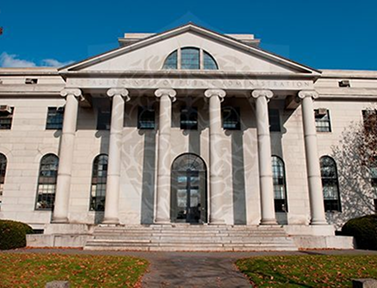

Wondering how to get into Duke? This guide breaks down everything from deadlines and essays to interviews and acceptance rates to help you stand out.
Grades and rigor matter, but Duke also looks closely at intellectual curiosity.[2] The admissions team often comments that they prefer students who ask questions that push a discussion forward rather than students who only show mastery of facts.
Duke values students who create impact that grows beyond themselves. An applicant who mentors younger students, builds something lasting in their community, or finds a creative way to solve a local problem often stands out more than someone who has a long list of disconnected activities.
Admissions Officers are attentive to how well applicants understand Duke’s culture. Many students know about the basketball rivalry, but fewer show that they understand programs like DukeEngage or the Focus Program, which bring together interdisciplinary cohorts. Applicants who can connect their own goals to opportunities like these often leave a stronger impression.
1520-1570
34-36

Duke requires three letters of recommendation as part of your application:
These recommendations help Duke understand your academic abilities, character, and potential contributions to campus. Choose teachers who know you well and can provide specific insights into your strengths!
Duke looks for students who go beyond the classroom and make a real impact in their communities. Simply joining clubs isn’t enough—you need to show leadership, initiative, and a clear theme in your activities. Here’s what a weak vs. strong profile looks like:
| Less Competitive Applicant | Competitive Applicant | |
|---|---|---|
| Student Government | Member, no leadership | VP, launched a sustainability project |
| Debate Club | Local competitions, no major achievements | State finalist, mentored younger members |
| Community Service | Occasional volunteering, no sustained impact | Founded a STEM tutoring program |
| Soccer Team | JV player, no leadership | Varsity captain, organized a fundraiser |
| Part-Time Job | Worked weekends, no advancement | Shift leader, managed employee schedules |
| Why It Falls ShortLacks leadership, initiative, and long-term commitment. | Why It Stands OutDemonstrates leadership, initiative, and tangible impact. |
In addition to the main personal essay, Duke’s supplemental essays are your chance to show why Duke is the right fit and what unique perspective you bring. All applicants must answer the “Why Duke” prompt (250 words), where you should highlight specific academic programs, campus opportunities, or aspects of student life that genuinely excite you. Duke also requires a second short answer on the communities that have shaped you (250 words).
You can also answer one of three optional prompts (250 words each), on the viewpoints and experiences you’d bring to Duke, a difference of opinion you’ve had with someone you care about, or the last thing you’ve been excited about. These essays may be short, but they carry weight, so take time to revise and make each one count.

With an 18% ED acceptance rate compared to a much lower RD rate, applying ED gives you a statistical advantage. Over 50% of Duke’s class is filled through ED, so if you’re certain about Duke and ready to commit, applying early can boost your chances.
Duke values alumni recommendations, and getting to know a local alum could give your application an edge. Engage with them, discuss your academic interests, and seek their advice—they can advocate for you through a strong recommendation.
Research beyond rankings. Read student blogs, follow social media accounts, and explore Duke’s website to understand its community, traditions, and academic environment. This knowledge will strengthen your supplemental essays and interview responses.
Your counselor’s recommendation carries weight in Duke’s admissions process. Start building a relationship early so they can craft a compelling letter that highlights your strengths and fit for Duke. If multiple students from your school apply, strong advocacy from your counselor can help set you apart.

Duke is a place for students who are intellectually curious, highly motivated, and eager to engage across disciplines. If you thrive in a fast-paced academic environment, value both independent research and collaborative learning, and want to be part of a vibrant, inclusive campus community, Duke may be the right fit.
With top-tier programs in everything from engineering to public policy—and a strong culture of service, innovation, and school spirit—Duke attracts students who are not only high achievers, but also driven to make a meaningful impact.
College Admissions Counseling Results: Duke University
By providing your contact information and clicking ‘Submit’, you give your consent to receive calls, emails, and texts from InGenius Prep to your provided number and email with reminders and other information about our services via live agent, automated SMS, or prerecorded messages. Consent is not a requirement of purchase and you may opt out from our text, phone, and email communications at any time.
Our services are tailored to your student’s needs. Build the perfect profile with our Duke Admissions experts.
Strategize early, build your profile, and stand out from your peers.
Conduct a mentorship with a Professor, Researcher, or Scholar from a U.S. university in your
academic area of interest.
Launch a business, organization, or platform with a Leadership and Entrepreneurship Expert.
Build your college applications from scratch to perfection to 7x your admissions chances.
We’ll help you refine and polish your entire application to highlight your academic achievements, extracurricular activities…
Having played a key role in the Duke admissions process, our Former Admissions Officers and Graduate Coaches have helped thousands of students gain acceptance. Whether you’re just starting your college search or finalizing your application, we provide expert guidance on everything from college essays and personal statements to extracurriculars and beyond.
哈佛大学前招生主任 | 哥伦比亚大学前招生和财政援助主任
Find educational content to learn about elite college admissions in the United States
Duke interviews are optional and offered on a limited basis. Alumni volunteers may contact you after you apply if one is available in your area. Not being offered one won’t affect your chances.
Duke University has a student body of approximately 17,325 students, including 6,525 undergraduate students and 10,800 graduate and professional students.[1]
Duke seeks prospective students who excel academically and demonstrate a commitment to inclusion and community engagement.[2] The university values creativity, curiosity, and a willingness to question our beliefs. Duke looks for students who can contribute to the campus community, whether through leadership, service, or unique talents. The college application process at Duke is designed to identify individuals who will thrive in its collaborative and dynamic environment.
Duke University is best known for its strong programs in medicine, law, and business, as well as its commitment to research and innovation. The university’s dedication to fostering a sense of inclusion and belonging includes initiatives that promote diversity and equity. Duke’s vibrant campus life, rigorous academics, and strong athletic programs make it a big important player in higher education.
Duke offers a wide range of degrees and majors, with some of the most common being in fields such as Biomedical Engineering, Public Policy, Economics, and Computer Science. The Pratt School of Engineering and the Trinity College of Arts & Sciences are particularly popular among students.[1] This wide variety of academic options allows students to pursue their passions and prepare for diverse career paths, benefiting from sharing knowledge and experiences with peers.