
The Shrinking Safety: Why Schools Like Michigan, Georgia Tech, and UC Irvine Are Becoming Reaches, and How Major and Residency Matter
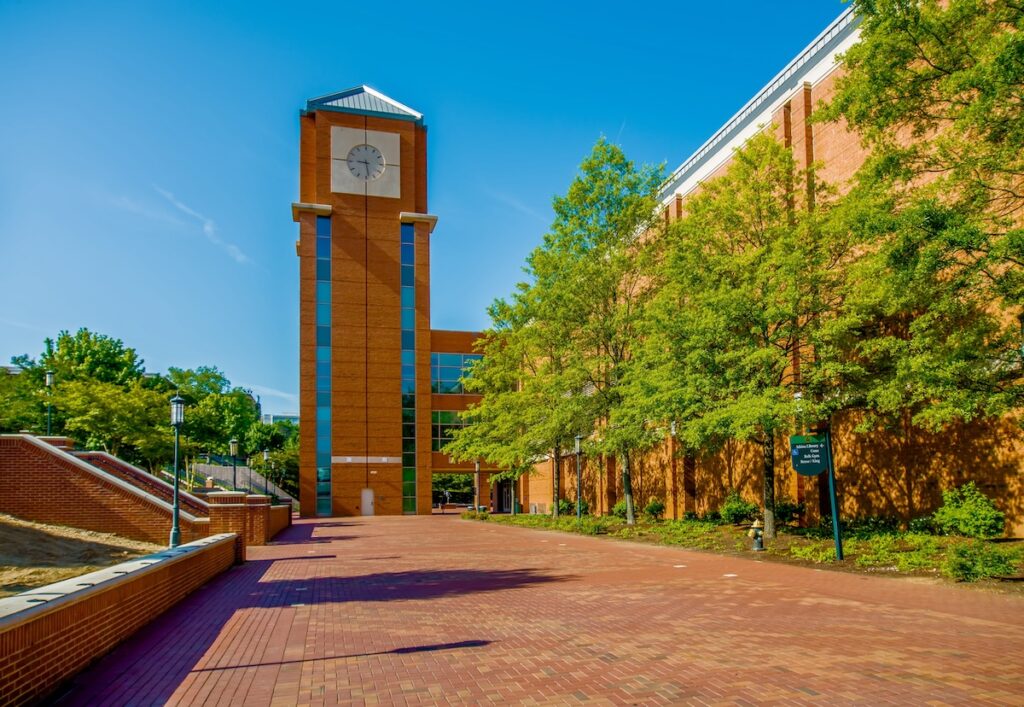
Acceptance rates at Michigan, Georgia Tech, and UC Irvine have fallen fast. Residency and major now shape a student’s real odds at public flagships.
The Power of Representation: How Identity Visibility Shapes Educational Trajectories

What research shows about role models, identity-affirming schools, and restricted representation, with global comparisons and steps for families.
Same Score, Different Door: The SAT, Geography, and the Limits of a Number

Discover how geography and SAT scores impact college admissions at Ivy League schools, Stanford, and MIT. Learn what holistic review really means when scores are equal.
The Map, Redrawn: Twenty-Eight Years of MIT’s International Undergraduates
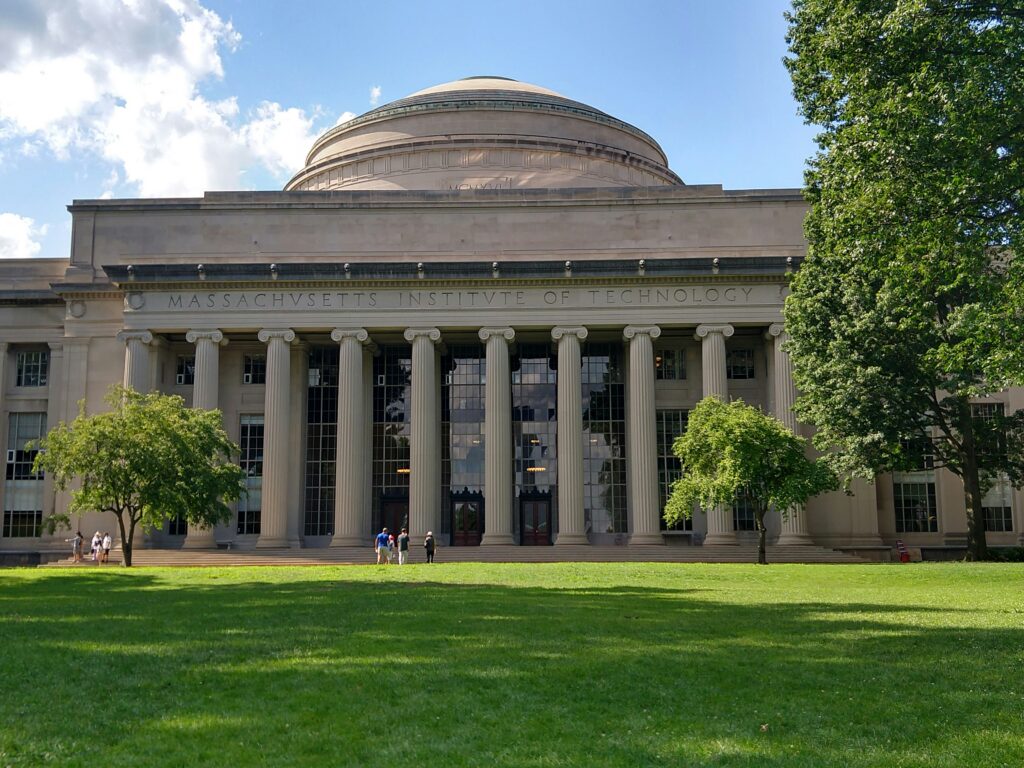
Explore 28 years of MIT international undergraduate enrollment data (1998–2025) to discover shifting global demographics and long-term trends in US college admissions.
The Pre-College ROI Project, Issue 10: Entrepreneurship & Startup Programs

No reliable data shows that starting a business helps a college application. A real venture, though, can be some of the clearest evidence a student offers. We apply the four-pillar framework to pitch competitions, accelerators, and “founder” experiences, and ask: Did the venture ever meet reality? Issue 10 of 12.
The Pre-College ROI Project, Issue 9: Global & Language Programs

The most respected global programs are free and nationally competitive. The most heavily marketed cost thousands for one to two weeks and admit everyone. In this issue, we apply the four-pillar framework to immersion, exchange, and teen travel and ask: after the program ends, what can the student verifiably do? Issue 9 of 12.
Why the Teenage Brain Chases Prestige Over Fit: Neuroscience for Families and Educators Building the College List

Explore the neuroscience behind why teenagers chase college prestige over fit. Learn how parents and educators can guide students through adolescent decision-making during college list-building.
What Actually Changed in College Admissions Trends This Cycle
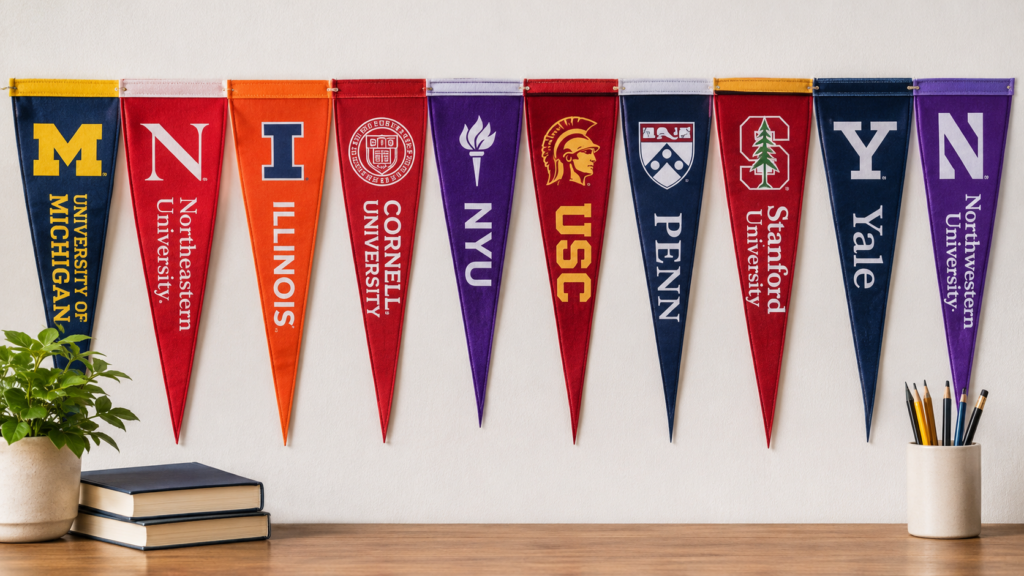
Explore data-driven insights from the 2025–2026 college admissions cycle, including application volume trends, early round admissions strategies, outcomes by competitive tier, and major-specific difficulty shifts.
The Pre-College ROI Project, Issue 8: STEM Certifications, MOOCs, and Micro-Credentials

MOOC completion rates at MIT and Harvard fell to roughly 3% — and an unproctored certificate tells an admissions reader almost nothing. Meanwhile, 2.8 million high school students are earning graded, human-evaluated college credit through dual enrollment. Issue 8 of 12.
The Pre-College ROI Project, Issue 7: Arts & Performance Pathways
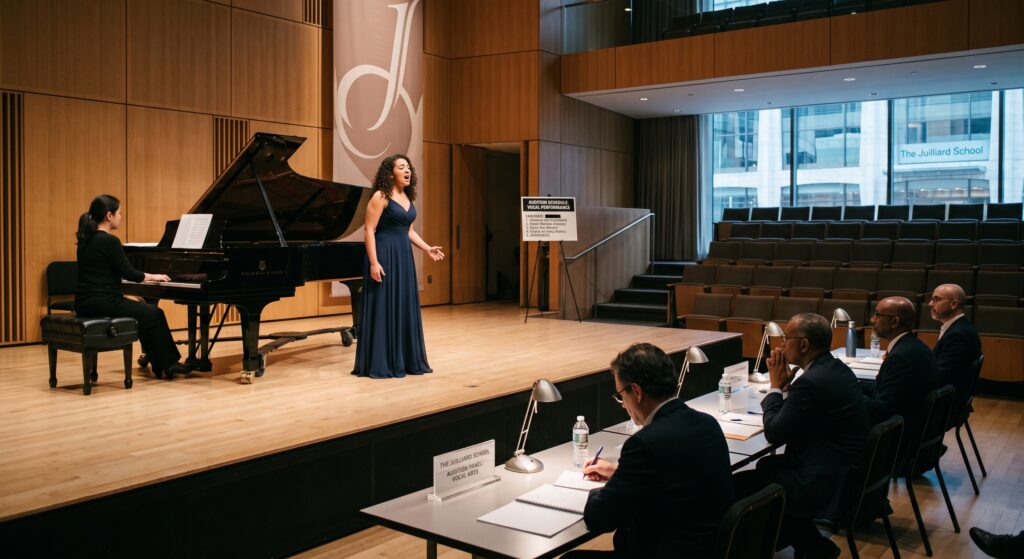
YoungArts selects roughly 10% of applicants — free to enter, nationally recognized, and tracked by Juilliard and Yale School of Drama. Most summer arts intensives are open-enrollment enrichment programs. This issue maps the credibility hierarchy for the arts, explains the dual-track reality of arts vs. non-arts applicants, and applies the four-pillar framework to conservatories, portfolios, and performance training. Issue 7 of 12.