
Why the Teenage Brain Struggles With Time Management: Neuroscience for Families and Educators

Is your teen struggling with deadlines? Learn the neuroscience behind adolescent time management, why it’s biology, and how parents and educators can provide effective support.
The Pre-College ROI Project, Issue 6: The Authenticity Question

58% of admissions officers say community service positively impacts acceptance — but not all service is equal. This issue maps the wide gap between authentic community engagement and résumé-driven voluntourism, applies the four-pillar framework to leadership programs, and explains what admissions readers actually see when they read ‘Founder’ or ‘200 service hours.’ Issue 6 of 12.
The Pre-College ROI Project, Issue 5: The Work Question
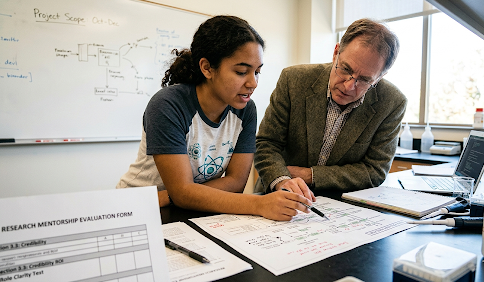
A student who “interned” by sitting in on meetings at a parent’s firm is not the same as one who designed a data pipeline for a nonprofit. Both list “internship” on the Common App. This issue applies the four-pillar ROI framework to the full spectrum of pre-college work experience—from nepotism-adjacent access to genuinely formative responsibility. Issue 5 of 12.
The Pre-College ROI Project, Issue 4: The Name on the Letterhead
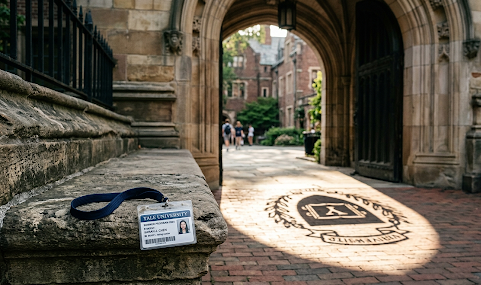
A single university can earn $4–6 million in summer program revenue from high school students. Admissions experts are nearly unanimous: for most programs, the family pays and the university profits. This issue maps which programs actually move the needle—and why—using data on cost, selectivity, and what admissions readers actually see. Issue 4 of 12.
IB vs. AP vs. A-Levels: Predictive Validity, Performance Outcomes, and Strategic Fit
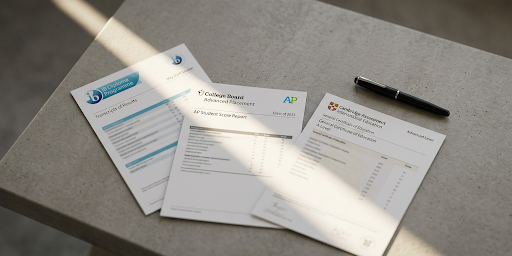
IB vs. AP vs. A-Levels: which pre-university credential actually predicts college success? Evidence-based analysis of IBO longitudinal data, College Board outcomes, and HESA research — with a strategic fit framework for students and advisors.
The Class of 2030 Full Cycle: Ivy Day Results, UMich ED, Global Shifts, and the End of the ‘Soft Yes’ Deferral

The full analysis of the 2025-2026 early admissions cycle is here. Learn about the transparency retreat by schools like Harvard and Stanford, the new deferral reality, the rise of binding ED at public flagships like UMich, and how a global strategy is creating more pathways for top applicants.
The Pre-College ROI Project, Issue 3: The Signal Problem

7 million students enter ISEF-affiliated fairs each year. Only ~1,800 reach the international stage. Meanwhile, hundreds of local competitions offer participation trophies and application fodder. This issue applies a consistent framework to tell them apart—and to explain what admissions officers actually see. Issue 3 of 12.
The Pre-College ROI Project, Issue 2: What Pre-College Research Actually Looks Like—and How Admissions Reads It
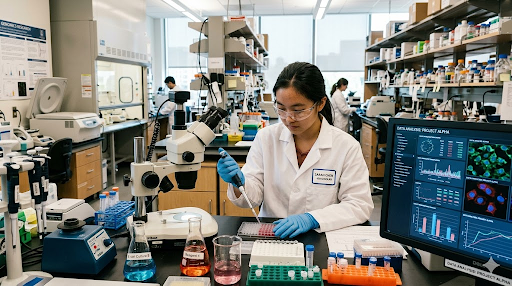
Pre-college “research” ranges from RSI—with a 2–3% acceptance rate—to pay-to-publish programs charging for credentials admissions officers now scrutinize. Learn how to tell the difference—and what actually builds credibility. Issue 2 of 12.
Wall Street vs. Silicon Valley: Which Colleges Feed Finance and Big Tech
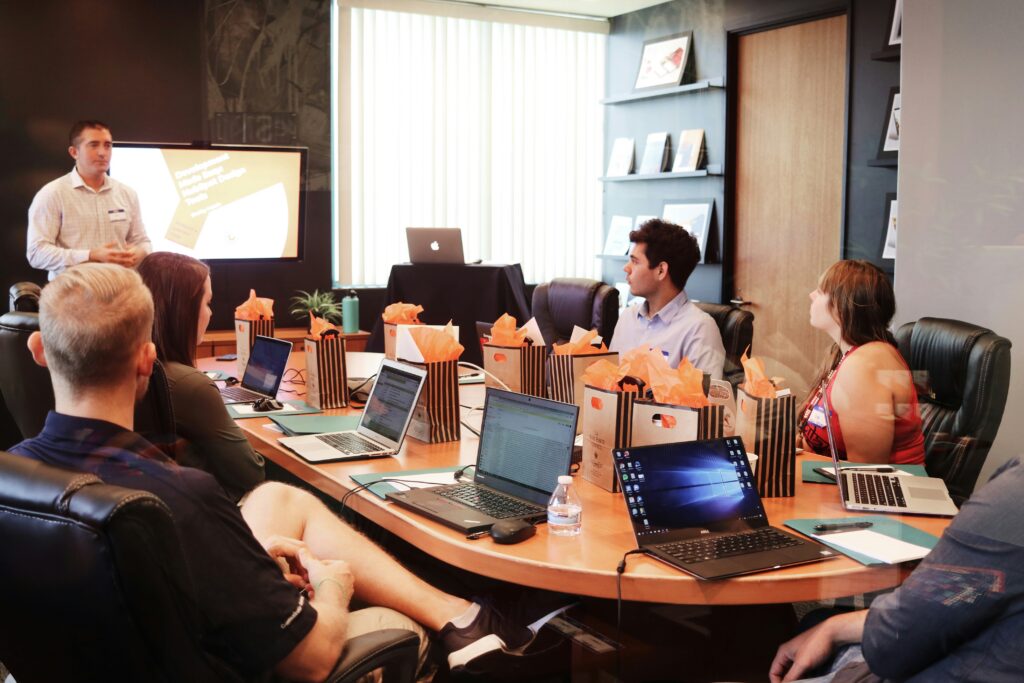
A data-driven analysis of which undergraduate institutions feed Wall Street investment banks and Big Tech firms. Explore target school dynamics, the finance vs. tech divergence, and what hiring ecosystems reveal about undergraduate strategy.
Top MBA Feeder Colleges: What the Data Shows
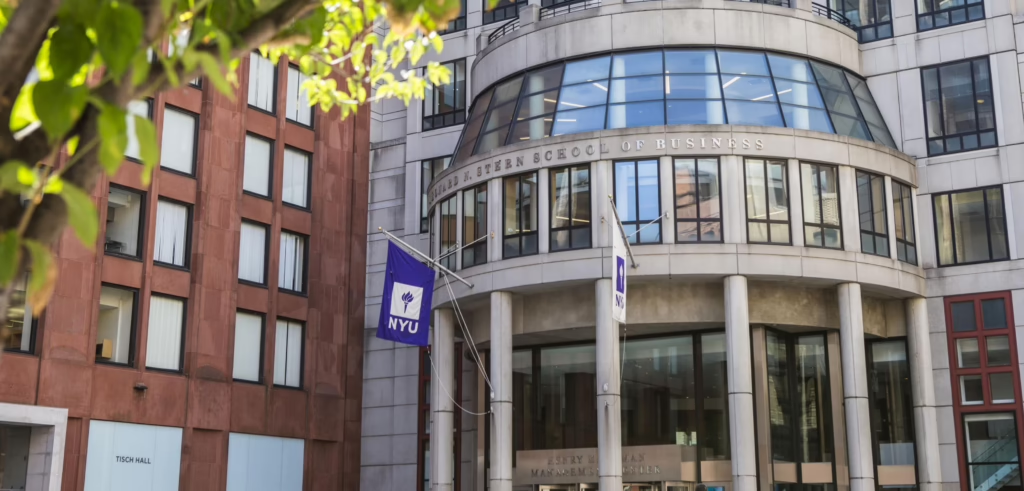
A data-driven analysis of which undergraduate institutions feed top MBA programs. Explore business school feeder density, the military academy surprise, the two-step funnel, and what the data reveals about MBA pipeline strategy.