
The Weight of the Lottery: How H-1B Policy Is Redrawing the Line Between Sending Countries

Explore how H-1B policy shifts and visa bottlenecks are redrawing international student enrollment, specifically impacting Indian graduate applicants.
Resilience by Region: Global Enrollment Shifts and What They Mean for Selectivity (2023–2026)

By Lindsey Kundel, Editor-in-Chief, InGenius Prep When we published our Global Matriculation Analysis synthesis in December 2025, the headline finding was that global student mobility had shifted — but was holding. India had surpassed China. Sub-Saharan Africa was the fastest-growing sending region for two consecutive years. Latin America was rebuilding steadily. The U.S. had just […]
The New Global Map of International Enrollment: Top Takeaways from 2022–2024

This synthesis brings together the full Global Matriculation Analysis series — twelve individual regional studies, Open Doors Fast Facts, SEVIS 2023, EducationData.org trends, and state-level demographic data — to offer a single question: What actually changed in global student mobility between 2022 and 2024, and what does it mean for families, counselors, and universities?
Where Domestic Students Actually Go — and Why It Matters for Enrollment Strategy

Domestic enrollment is not “down” so much as redistributed. This journal maps how U.S. students move across states, why more Americans are looking abroad, and what that means for colleges trying to rebuild stable pipelines in a post–enrollment cliff world.
Why Canadian and Mexican Students Are the Most Underleveraged Pipelines in U.S. Higher Education
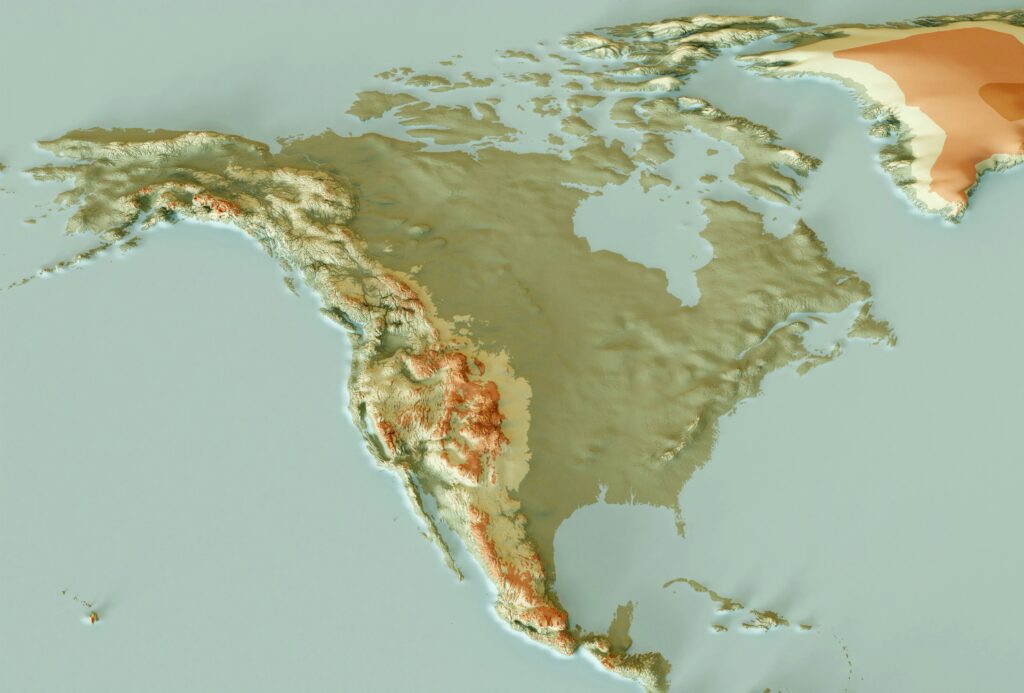
Domestic and international enrollment pipelines in North America are shifting. This analysis uses 2022–2023 data to map the stability and growth of Canada and Mexico as underleveraged, predictable international student pipelines, while also examining the impact of U.S. policy shifts and border concerns on North American student mobility.
Why U.S. Colleges Should Pay More Attention to African Students
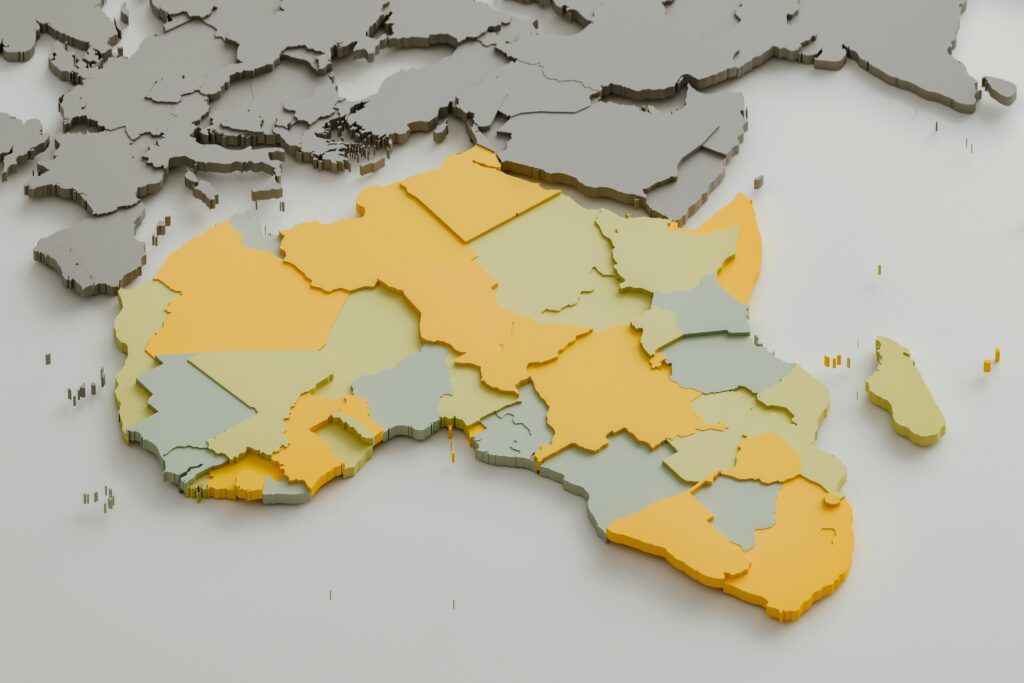
Discover why Sub-Saharan Africa is the fastest-growing source of international students for US colleges (+13.1%). Learn key recruitment strategies, address visa friction, and capitalize on this crucial market.
Why Central and South America is Rebuilding as a Steady Growth Market for U.S. Colleges
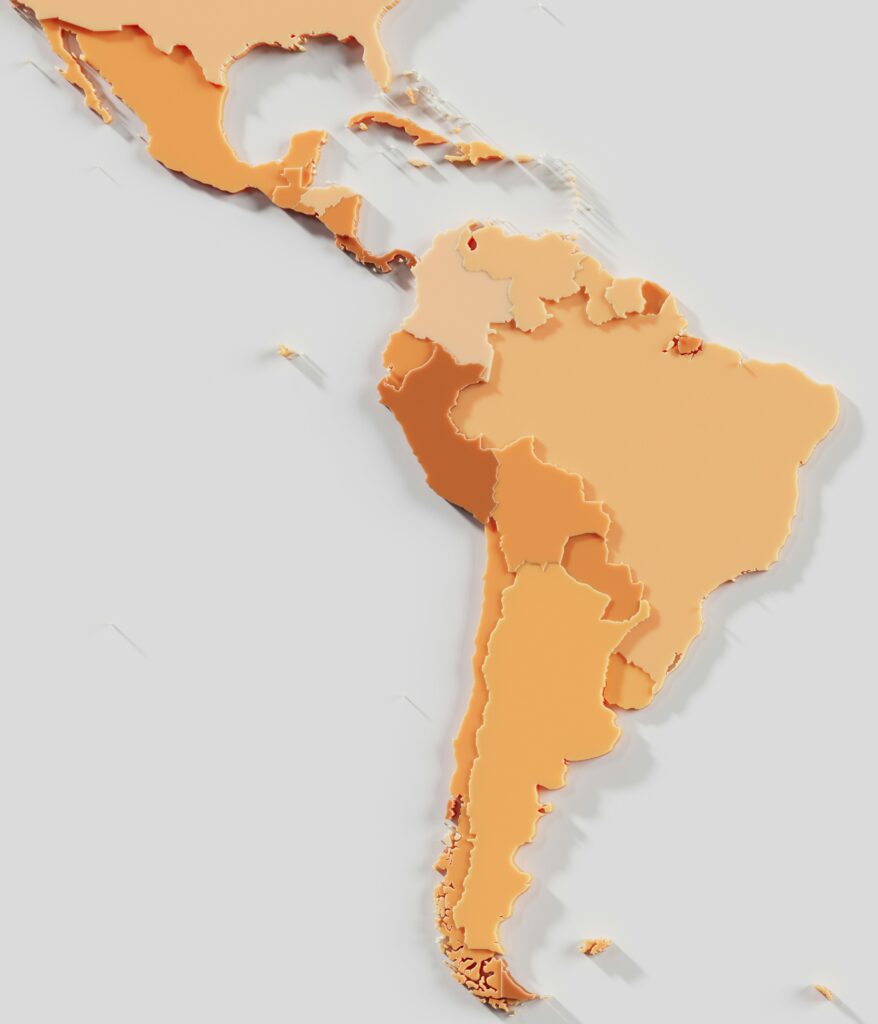
Latin America’s student enrollment is a steady rebuild zone, with Brazil (+5.3%) and Colombia (+11.3%) climbing. The secret? Clarity: families are choosing schools that offer transparent costs, mapped-out 2+2 pathways, and clear work (OPT) outcomes over prestige.
What Selective European Students Really Want from U.S. Colleges

Why are European students selective about US colleges? This analysis explores the 30x cost differential, academic fit, visa uncertainty, and the rising appeal of UK and EU universities.
Why Asia-Pacific Students Beyond China and India Still Choose U.S. Colleges

While headlines fixate on China’s slowdown and India’s surge, across the Asia-Pacific region, students from countries like South Korea, Vietnam, Taiwan, and Indonesia have kept U.S. international enrollment surprisingly stable.
Can the U.S. Win Back Middle Eastern Students?
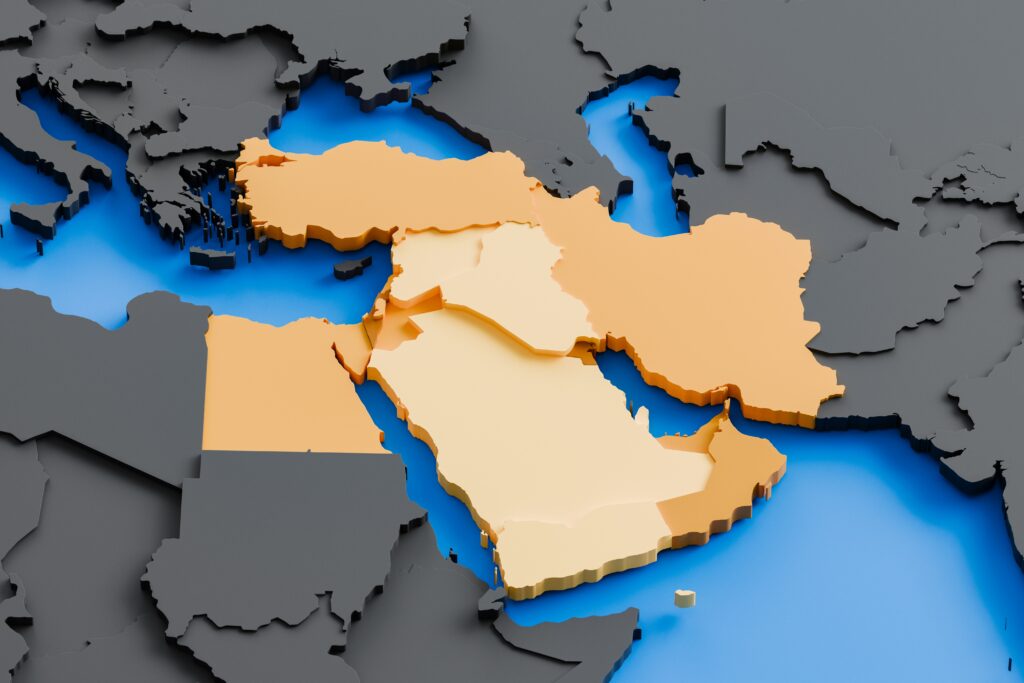
For years, the Middle East was one of the most reliable pipelines of international students to U.S. campuses. But in now the story looks very different. Active Saudi enrollments stood at just 22,589 — a decline of more than half in less than a decade. Across the region, countries from Jordan to the United Arab Emirates are sending fewer students each year.