
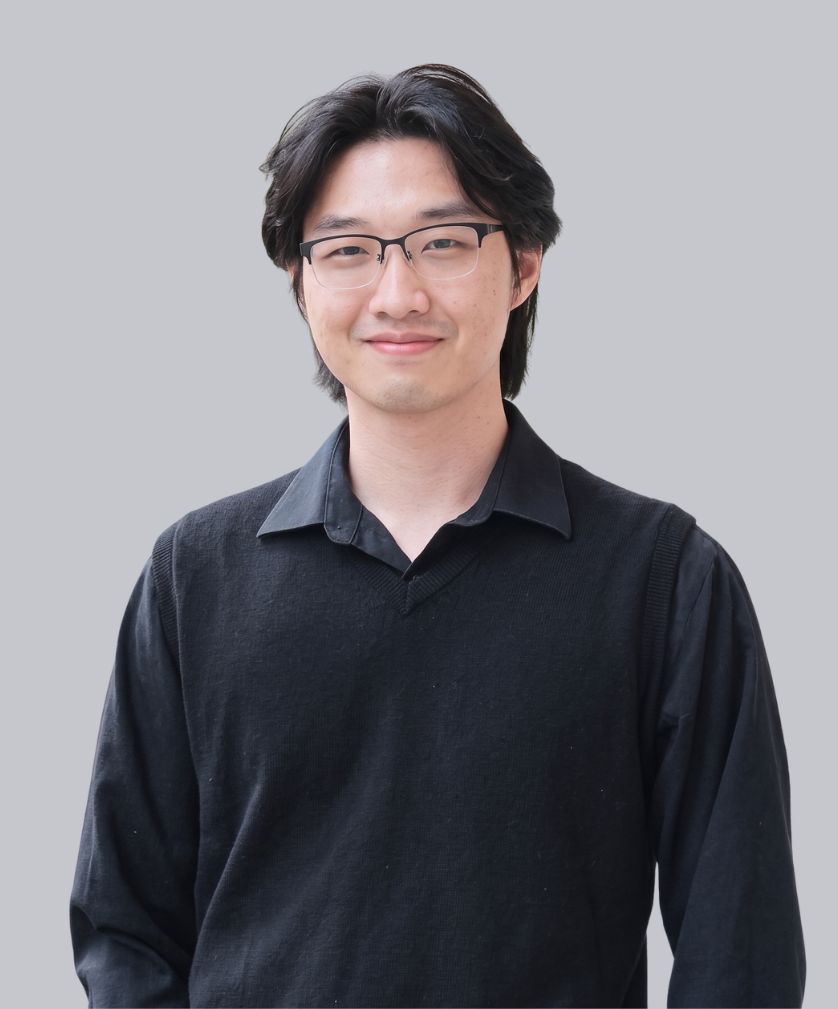
Robin Park is a Graduate Coach with hands-on experience advising college applicants and tutoring across the humanities and social sciences. He graduated cum laude from Princeton with a bachelor’s degree in History and a 3.88 GPA, with minors in Translation and Intercultural Communication and in East Asian Studies, as the sole recipient of the Bienen Senior Thesis Prize. He then earned a master’s degree in Cello Performance at Yale, where he received the Aldo Parisot Prize.
Robin tutors more than ten high school students a week in World History, US History, European History, Human Geography, English Literature, Korean, and Mandarin Chinese, and he advises parents and students on long-term planning across course trajectory, testing, and extracurriculars. He has moved students from C and D grades up to As and Bs through targeted instruction and consistent progress monitoring, and most of his AP students score a 4 or a 5. As an admissions consultant he proofreads and revises application essays and helps students brainstorm what to write about in the first place. Five years as a writing specialist on employment visa petitions sharpened that editorial eye further, drafting and translating documents where a single unclear sentence carries real consequences.
Robin has published academic papers in journals including the Princeton Historical Review and SCIVIAS: the Princeton Journal of Medieval History, and contributed to the editing of the Cambridge History of War. He is also an accomplished cellist who has won multiple international competitions, and he currently holds the titles of Principal Cellist of Symphony in C and founder and Executive Director of Ensemble V. He performs regularly with the Grammy Award-winning Orpheus Chamber Orchestra, teaches chamber music at the InTempo music school in Connecticut, and runs a private cello studio.
As a Graduate Coach, his method balances helping students build the skills and traits they need to succeed academically with teaching them to market themselves effectively, whether they go on to graduate study, employment, or their own ventures. He prioritizes helping each student find their own specialties and motivations, believing self-motivation is both the best route to academic success and the trait higher education institutions value most, and he tailors his approach to the personality, needs, and circumstances of each student, at times drawing on his proficiency in Korean, Japanese, and Mandarin Chinese to make communication easier.


